
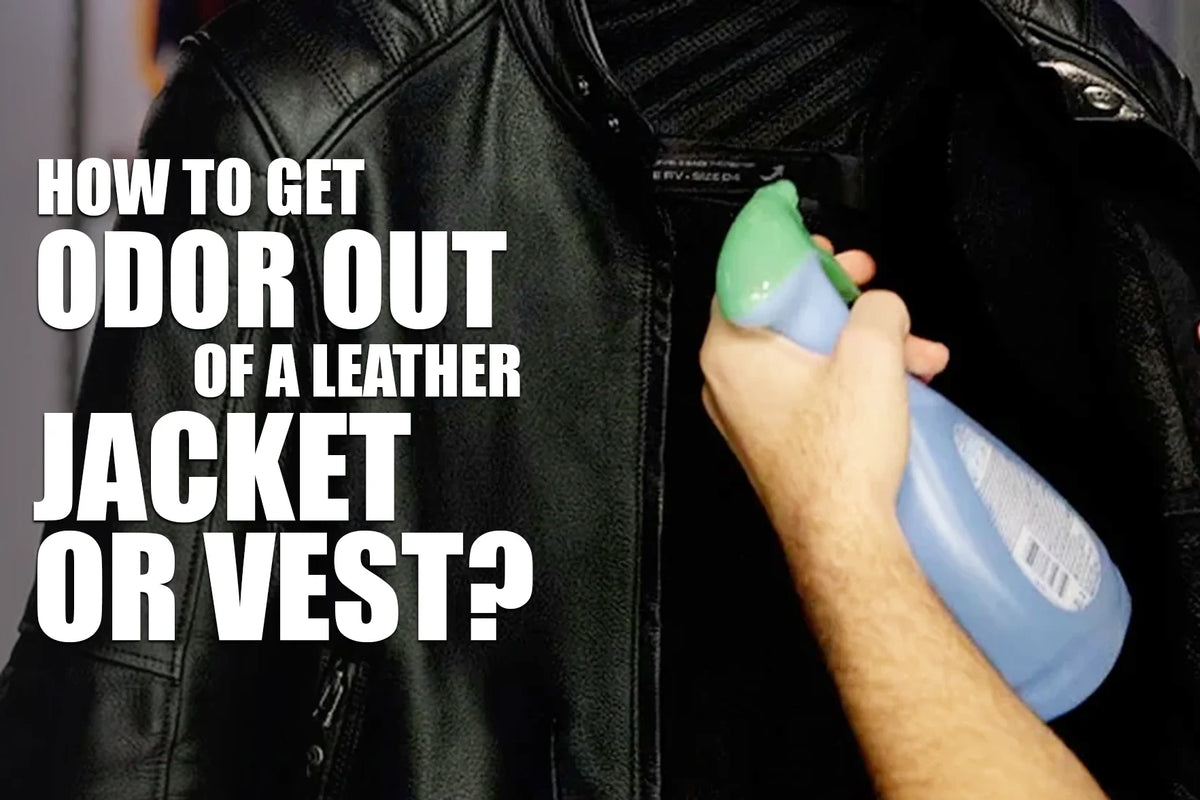
A good leather jacket or riding vest picks up every mile you put on it. Summer sweat, bonfire smoke at a rally, a rainstorm you rode through, and months in a damp garage all leave a smell in the hide and the lining. The good news: almost every leather odor can be removed at home with a few cheap supplies and a light touch.
Whether it's one of our mens leather motorcycle jackets or a vintage flight jacket passed down for decades, this guide from the Unik International team shows you how to bring it back to fresh. You'll learn the step-by-step method, the right fix for each type of smell, and how to treat cowhide, horsehide, lambskin, suede and vegan leather without cracking, staining or shrinking them.
Quick Answer: How Do You Get the Smell Out of a Leather Jacket or Vest?
-
Air it out inside-out in a shaded, breezy spot for 24 to 48 hours. Never in direct sun.
-
Absorb the odor. Seal the jacket in a large bag or bin with an open bowl of baking soda, activated charcoal or dry coffee grounds for 24 to 72 hours.
-
Clean the lining. Wipe it with a cloth dampened in 1 part white vinegar to 1 part water, wrung almost dry.
-
Wipe the leather with a pH-balanced leather cleaner or saddle soap. Do a patch test first.
-
Dry it slowly on a wide hanger, away from heaters, hair dryers and sunlight.
-
Condition the leather to put back the oils that cleaning removes.
If a musty or smoky smell keeps coming back after two full rounds, take the jacket to a professional leather cleaner. Never machine wash, soak or bleach real leather.
What You'll Need
Most of these supplies are probably already in your kitchen or garage.
-
Odor absorbers: baking soda, activated charcoal bags, unused dry coffee grounds, cornstarch and cedar blocks
-
Gentle cleaners: distilled white vinegar, a pH-balanced leather cleaner or saddle soap, and mild unscented soap or baby shampoo
-
Spot treatments: plain vodka or rubbing alcohol for the lining only, and an enzyme cleaner for organic smells like urine or vomit
-
Tools: 2 or 3 soft microfiber cloths, a spray bottle, a soft-bristle brush, a suede brush and eraser, and a vacuum with a brush attachment
-
Drying and storage: a wide padded or wooden hanger, a fan, a large sealable bag or lidded bin, and a breathable cotton garment bag
-
Finishing: a quality leather conditioner or leather balm
Avoid paper towels, which leave lint, and avoid scented household wipes. Many wipes contain alcohol or bleach that dries out the leather.
How to Get Odor Out of a Leather Jacket: Step-by-Step
Work from the gentlest method to the strongest, and stop as soon as the smell is gone. Most jackets never need to go past Step 4. Jumping straight to harsh methods is how good leather gets ruined.
Step 1: Do a Sniff Test and Find the Source
Turn the jacket inside out and smell the armpits, collar, cuffs, pockets and lining separately. A faint, stale smell usually needs only air. A strong sour, musty or smoky smell needs the later steps. Empty every pocket too, since a forgotten glove or snack can be the real culprit.
Step 2: Air It Out the Right Way
Fresh air is the oldest and safest deodorizer. WWII pilots and dispatch riders used it on their horsehide flight jackets long before sprays existed.
-
Unzip the jacket and open every pocket and vent.
-
Hang it inside-out on a wide hanger outdoors in the shade, or indoors in front of a fan.
-
Leave it for 24 to 48 hours, turning it right-side out halfway through.
-
Bring it inside at night so dew doesn't dampen it.
Keep it out of direct sunlight. UV rays fade the dye and bake the natural oils out of the hide, which leads to cracking.
Step 3: Use Dry Odor Absorbers
Dry absorbers pull odor out without putting moisture into the leather.
-
Baking soda: Put the jacket in a large sealed bag or bin with an open bowl or cloth sachet of baking soda. Keep the powder off the leather surface, because it is alkaline and can dry out or dull the finish. A light dusting on the fabric lining is fine if you vacuum it off fully. Leave it for 24 to 48 hours.
-
Activated charcoal: Place 2 or 3 charcoal bags inside the sleeves and body, then seal the jacket in a breathable garment bag or bin for 2 to 3 days. Use odor-absorbing charcoal, not barbecue briquettes. It works best on deep, smoky and musty smells.
-
Coffee grounds: Seal a bowl of fresh, dry, unused grounds in a bin with the jacket for 1 to 3 days. Keep them in the bowl so they can't stain the leather.
-
Cedar and newspaper: Cedar blocks absorb moisture and add a light, natural scent. Crumpled newspaper stuffed into the sleeves soaks up damp after a wet ride.
Step 4: Clean the Lining
If the smell is coming from the inside, the lining needs its own treatment.
-
Mix equal parts white vinegar and water in a spray bottle.
-
Mist a microfiber cloth, not the jacket, and wring it until it's barely damp.
-
Wipe the lining with extra attention on the armpits, collar and back.
-
Blot, don't scrub, and keep the moisture away from the leather seams.
-
Let it dry completely with the jacket inside-out.
The vinegar smell disappears as it dries. For stubborn sweat odor, a light mist of 1 part plain vodka to 1 part water on the lining works too. The alcohol kills bacteria and evaporates fast. Use it on fabric only, since alcohol can spot or dry out leather.
Step 5: Clean the Leather Surface
Next, deal with odor-causing residue on the outside. This is a light wipe focused on odor. For a full routine from dusting to deep cleaning, follow our guide on how to clean a leather jacket.
-
Use a pH-balanced leather cleaner or a little saddle soap on a damp cloth. You can also use a few drops of mild soap in lukewarm water.
-
Wipe in small sections, working with the grain.
-
Remove the residue with a second cloth dampened in clean water.
-
If you have no leather cleaner, wipe with 1 part white vinegar to 2 parts water. Wring the cloth almost dry.
Never spray liquid directly onto smooth leather or suede. It leaves water spots and tide marks.
Step 6: Treat Stubborn Spots
-
Oily or greasy odor: Dust cornstarch onto the spot, leave it overnight, then brush it off and vacuum. It soaks up the body oils and grease that hold odor.
-
Organic odor (urine, vomit, food): Use an enzyme cleaner sparingly on the lining only. The enzymes break down the odor compounds instead of masking them.
-
Light steam: A garment steamer held 6 to 8 inches from the lining for a minute can loosen trapped odor. Keep it moving, never steam suede, and let the jacket dry fully afterward.
Step 7: Dry and Condition
Let the jacket air-dry for at least 24 hours on a wide hanger. Then massage a thin, even coat of leather conditioner into the outer hide with a soft cloth. Let it absorb for an hour and buff off the excess.
Conditioning restores the oils that cleaning removes. It keeps the leather supple and brings back that rich, clean leather scent.
How to Remove Specific Odors From Leather
For some smells, the general method needs adjusting. Find yours below.
How to Get Sweat Smell Out of a Leather Vest or Jacket
-
Air the jacket or vest inside-out for a full day.
-
Lightly dust baking soda on the fabric lining only, fold it loosely and seal it in a bag overnight.
-
Shake it out outdoors and vacuum the lining with a brush attachment.
-
Wipe the lining with the 1:1 vinegar solution on a nearly dry cloth.
-
Once it's dry, condition the outer leather.
To stop it coming back, wear a moisture-wicking base layer and choose perforated or vented designs for hot-weather riding.
How to Get Cigarette or Campfire Smoke Out of Leather
Smoke goes deeper than sweat, so give it more time.
-
Air the jacket outdoors in the shade for 2 to 3 days.
-
Seal it with activated charcoal or baking soda for 48 hours. For heavy smoke, repeat with a fresh absorber.
-
Wipe the leather surface with a leather cleaner or diluted vinegar to lift the tar film.
-
Condition to restore the finish, since smoke can leave leather looking dull.
Don't spray cologne or air freshener over smoke. You'll end up with smoke plus perfume, which lasts even longer.
How to Get a Musty or Mildew Smell Out of Leather
Mildew is a living fungus, so act fast.
-
Take the jacket outdoors, away from your other clothes. Wear a dust mask if you see visible mold.
-
Brush off loose surface mold with a soft brush.
-
Wipe the affected areas with 1 part white vinegar to 1 part water. For heavy growth, rubbing alcohol diluted 1:1 with water works, but test it first.
-
Let the jacket dry completely in shade with good airflow. Moisture fed the mildew, so full drying is essential.
-
Run a baking soda or charcoal cycle to clear the remaining musty smell.
-
Condition the leather, because vinegar and alcohol both dry it out.
If the smell returns within days, the mold has likely reached the inside of the hide. That needs a professional.
How to Get Rid of New Leather Smell
The tannery smell of a new jacket isn't a defect, and it fades on its own. To speed it up, air the jacket in shade for a few days. Then run one baking soda or charcoal cycle and wear it often. Most of the smell is gone within 2 to 4 weeks.
How to Remove Gasoline, Exhaust or Oil Smell
Fuel and oil odors are oily, so treat them like grease. Dust cornstarch onto the affected cuff or sleeve and leave it overnight. Brush it off, then wipe with a leather cleaner. Air it out for a day and condition. Repeat if needed.
How to Get Pet Urine or Vomit Smell Out of Leather
Blot up as much as you can right away. Wipe the area with the diluted vinegar solution, then apply an enzyme cleaner to the lining. Let it dry, then use dry absorbers. Urine soaks deep into the hide, so a professional is often the safer choice for expensive jackets.
How to Fix a Rain-Soaked Jacket Before It Smells
Blot off surface water with a towel. Stuff the sleeves and body loosely with newspaper or a towel, and change it every few hours. Hang the jacket on a wide hanger at room temperature with a fan running. Never use a radiator or dryer. Condition once it's fully dry so the leather doesn't stiffen.
Special Cases: Suede, Faux Leather and Motorcycle Vests
Suede and Nubuck Jackets
Suede has an open, napped surface that marks easily with water. Stick to dry methods on the outside: airing, sealed baking soda or charcoal, and a suede brush to lift the nap and release trapped odor. If you must use vinegar, barely dampen a cloth, dab lightly, and brush the nap once it's dry. Finish with a suede protector spray, not a cream conditioner.
Faux and Vegan Leather Jackets
PU and PVC jackets don't absorb odor as deeply as real hide, but their linings still trap sweat. Wipe the outside with mild soapy water and clean the lining with the vinegar solution. A faux jacket's chemical smell comes from plasticizers and fades with airing. Skip leather conditioner, and avoid heat and alcohol, which can make the coating peel.
Leather Motorcycle Vests
Club patches, side laces and inside pockets make mens leather motorcycle vests some of the trickiest riding gear to deodorize. Watch these odor traps:
-
Patches and embroidery: Sewn-on club patches and rockers hold sweat and smoke in their backing. Clean around them with a barely damp cloth and never soak them, or the colors may bleed.
-
Side laces and adjusters: Leather laces hold grime. Unlace them if you can and wipe each one separately.
-
Concealed-carry and inside pockets: Empty and vacuum them. Gun oil and food wrappers are common hidden sources of odor.
-
Vented vests: Perforated panels dry faster and smell less. Brush dust out of the holes with a soft brush.
If the whole vest needs more than an odor fix, patches, laces and pockets need extra care. Our guide on how to clean a leather vest walks you through it step by step without damaging the hide or the stitching.
Vintage and Heirloom Jackets
Old flight jackets, café racers and inherited biker jackets often carry decades of storage odor. They're often made of thick horsehide or goatskin. Be patient: run several long charcoal or baking soda cycles and condition generously, since old leather is often dry. For valuable pieces, a leather restoration specialist is worth the cost.
Leather Odor Removal Methods Compared
Use this table to pick the right method for your smell, from lowest to highest risk.
|
Method |
Best for |
Where to use it |
Time |
Risk to leather |
|
Fresh air or fan |
Stale storage smell, light sweat, new leather smell |
Whole jacket, in shade |
1–3 days |
None |
|
Baking soda (sealed bag) |
Sweat, smoke, general mustiness |
In a bowl or sachet; dusting on lining only |
24–48 hours |
Very low |
|
Activated charcoal |
Deep smoke, old musty smell, vintage storage odor |
Bags inside or beside the jacket |
2–3 days |
None |
|
Coffee grounds |
Smoke, stale smells |
Open bowl in a sealed bin |
1–3 days |
Very low (keep off leather) |
|
Cornstarch |
Body oil, grease, fuel and oil smells |
Dusted on lining or the spot |
Overnight |
Very low |
|
White vinegar and water (1:1 or 1:2) |
Mildew, stubborn sweat, bacteria |
Wrung-out cloth on lining or surface |
Dries in hours |
Low (condition after) |
|
Vodka and water (1:1) |
Sweat bacteria in the lining |
Light mist on fabric lining only |
Dries in under an hour |
Low on lining; can spot leather |
|
Enzyme cleaner |
Urine, vomit, food |
Lining only, sparingly |
Follow label |
Low to medium (test first) |
|
Leather cleaner or saddle soap |
Surface grime and residue |
Outer leather |
30 minutes + drying |
Low (patch test) |
|
Garment steamer |
Trapped odor in lining |
Lining, 6–8 inches away |
1–2 minutes |
Medium (never on suede) |
|
Professional cleaning or ozone |
Set-in smoke, mold inside the hide |
Leather specialist |
Several days |
Low when done by a pro |
How to Dry Leather Correctly After Cleaning
More jackets are ruined while drying than by the smell itself. Heat pulls the natural oils out of the hide, leaving it stiff, shrunken and cracked.
-
Do hang it on a wide, padded or shaped hanger so the shoulders keep their shape. This matters most for fitted cuts like womens leather motorcycle jackets, where a thin hanger can quickly distort the shoulders and waist.
-
Do dry it at room temperature in a ventilated room, with a fan if you want to speed things up.
-
Do let it dry fully inside and out before conditioning or storing it, because trapped damp leads to mildew.
-
Don't use a hair dryer, heat gun, radiator, space heater or tumble dryer.
-
Don't dry it in direct sunlight.
-
Don't use a thin wire hanger, which dents the shoulders.
Common Mistakes That Ruin Leather Jackets
-
Machine washing or soaking. Water and agitation make leather stiff, shrunken and cracked, and the damage is permanent. There's no safe gentle cycle.
-
Using bleach, ammonia or harsh detergents. They discolor leather, break down its fibers and weaken the stitching.
-
Masking odor with Febreze, perfume or air freshener. Sprays cover the smell instead of removing it, and their alcohol can spot the hide. Use them sparingly on the lining, if at all.
-
Rubbing baking soda into the leather. Leftover powder dries and dulls the finish. Keep it in a bowl, or vacuum it off completely.
-
Using undiluted vinegar or alcohol. Always dilute, and always condition afterward.
-
Over-conditioning. The conditioner doesn't remove odor. Too much clogs the pores, attracts dirt and can go rancid.
-
Ignoring the lining. Clean only the outside and the smell comes back within a week.
-
Storing it in plastic. Plastic garment bags and sealed bins trap moisture and cause mustiness.
When to Call a Professional Leather Cleaner
Home methods handle most odors, but some jobs need professional solvents and equipment. Get help when:
-
A musty smell returns repeatedly after a full clean and dry, meaning mold is inside the hide
-
You can see mold that keeps coming back
-
The jacket smells strongly of cigar or house-fire smoke
-
It's a valuable, vintage or sentimental piece you don't want to risk
-
The finish is already cracked, peeling or stained
Professionals may use ozone treatment, an ozone chamber that breaks down smoke and mildew molecules. It is very effective, but too much exposure can dry leather and damage elastic, so leave it to experts. Choose a cleaner who specializes in leather or suede, check their reviews, and ask how they deodorize before you hand the jacket over.
Why Do Leather Jackets and Vests Start to Smell?
Leather is animal skin, and skin is porous. A tanned hide is a dense web of collagen fibers with tiny gaps between them. Those gaps let leather breathe, but they also trap moisture, oils and odor molecules. Find the source first, because each smell needs a different fix.
Sweat, Body Oils and Bacteria
Fresh sweat barely smells. The sour, gym-bag odor comes from bacteria feeding on sweat, sebum and dead skin cells in the lining. The armpits, collar, cuffs and back panel get it worst. Hang a sweaty vest straight into a closet and the bacteria keep working overnight.
Cigarette, Cigar and Campfire Smoke
Smoke is made of tiny oily particles and tar. They stick to the grain and soak into the lining, then keep releasing odor for weeks. One night at a bar or around a fire can leave a jacket smelling for a month.
Mildew and Mold
A musty, earthy, wet-basement smell means fungus is growing. It starts when a jacket is put away damp or kept in a humid closet, basement or garage. Look for white, gray or green speckles on the surface or the lining. Catch it early, before the mold reaches the hide itself.
Stale Storage Odor
Months in a plastic bin, a cramped closet or a vintage trunk leave a flat, stale smell. It comes from trapped air and old residue. This is the easiest smell to fix, and fresh air often does it alone.
New Leather and Tannery Smell
A new jacket can smell strongly of the tanning process. Chrome-tanned leather has a sharp chemical note from dyes, oils and finishing agents. Vegetable-tanned leather smells earthier. Both are normal and usually fade within two to four weeks of wear and airing.
Everyday Riding Smells
Riders pick up odors other jacket owners never meet. Gasoline, exhaust fumes, chain lube and engine oil cling to sleeves and cuffs. Rain-soaked leather can smell like wet dog if it dries slowly. Spilled beer, food grease, perfume and pet accidents also settle into the hide.
Know Your Leather and Lining Before You Start
The right odor fix depends on what your jacket is made of. Check the care label, then match your leather to the table below.
|
Leather type |
How to recognize it |
Odor-removal notes |
|
Finished (pigmented) cowhide |
Smooth, even color, slight sheen; water beads on it |
Most forgiving. Takes leather cleaner, saddle soap and diluted vinegar well. |
|
Naked or aniline cowhide |
Soft, natural look; a water drop darkens it |
Absorbs liquids fast. Use dry methods first and wring cloths almost dry. |
|
Horsehide and goatskin |
Heavy, stiff, pebbled grain; common in vintage and flight jackets |
Durable but soaks up odor deeply. Dry absorbers plus regular conditioning. |
|
Lambskin and sheepskin |
Very soft and thin, buttery feel |
Delicate. Minimal moisture, gentle cleaner, test every product. |
|
Suede and nubuck |
Fuzzy or velvety nap, no shine |
No sprays or wet wiping on the outside. Dry absorbers and a suede brush only. |
|
Faux or vegan leather (PU, PVC) |
Uniform pattern, plastic-like smell, fabric backing |
More water-tolerant. Mild soap and water is fine. No leather conditioner needed. |
Don't Forget the Lining
The lining is usually where most of the smell lives, because it sits against your skin. Satin and polyester linings trap body oils and bacteria. Quilted, flannel or thermal liners hold even more. Many riding jackets have a zip-out liner, and you can usually hand-wash that separately. Check its care label first.
Always Patch Test
Before using any liquid, test it on a hidden spot such as the inside of the front placket or under the collar. Let it dry fully. If the color changes, the leather darkens, or a spot remains, use a gentler method.
How to Keep Your Leather Jacket Smelling Fresh
Preventing odor is far easier than removing it once it has set in. Build these habits into your riding routine.
-
Air it after every ride. Hang the jacket or vest open for at least 30 minutes to a few hours before putting it away.
-
Wear a moisture-wicking base layer. A synthetic or merino tee catches sweat before it reaches the lining. It's the cheapest odor fix there is.
-
Rotate your gear. If you ride most days, alternate two jackets or vests so each one dries out fully between wears.
-
Choose ventilated gear for summer. Perforated leather and zip vents let heat and moisture escape while you ride. On hot days, womens leather motorcycle vests worn over a breathable top keep you protected without trapping sweat the way a full jacket can.
-
Keep smoke away. Take your jacket off before sitting around a campfire or in a smoky bar, if you can.
-
Condition on a schedule. Every 3 to 6 months, or more often if you ride in heat or rain. Healthy, supple leather resists moisture and odor better.
-
Spot clean spills right away, before they soak in.
How to Store Leather Jackets and Vests
-
Clean and fully dry the jacket before off-season storage.
-
Hang it on a wide wooden or padded hanger. Don't fold it, since creases crack over time.
-
Cover it with a breathable cotton or canvas garment bag, never plastic.
-
Keep it in a cool, dark, dry closet with good airflow. Avoid attics, basements and garages, which swing in temperature and humidity.
-
Aim for 40 to 50 percent humidity. Add cedar blocks, a charcoal bag or silica gel packs to absorb moisture.
-
Leave space around it so air can circulate.
-
Take it out once a month during storage to air it and check for mildew.
Final Thoughts:
Your leather has carried you through heat, rain, smoke and miles of open road. A bad smell doesn't mean it's finished. It just means it's due for some care. Find the source, start gentle, give the lining its own treatment, dry it slowly and finish with conditioner. Your jacket or vest will come back fresh, with every mile of character still in the hide.
The easiest odor to beat is the one that never sets in, and that starts with leather built right. Some riders are born to race, and their gear should keep up with them. At Unik International, we make leather for riders who wear it hard and wear it often. It's cut for the saddle, built for the long haul, and easy to keep fresh with the routine in this guide. Ready for gear that's as committed to the ride as you are? Explore the full collection of leather biker jackets, vests, and riding gloves.
Frequently Asked Questions
What is the fastest way to get odor out of a leather jacket?
Hang it inside-out in front of a fan for a few hours. Then wipe the lining with 1 part white vinegar to 1 part water on a wrung-out cloth. For stronger smells, seal it with activated charcoal or baking soda overnight.
How do I deodorize a leather jacket naturally?
Use fresh air, baking soda, activated charcoal, coffee grounds, cedar or diluted white vinegar. All of them neutralize or absorb odor without harsh chemicals.
Does baking soda damage leather?
Not when you use it indirectly. Keep it in a bowl or sachet inside a sealed bag with the jacket. Avoid rubbing it into the hide or leaving residue, because it is alkaline and can dry out the finish over time.
Can you use vinegar on a leather jacket?
Yes, if it's diluted. Mix white vinegar 1:1 or 1:2 with water, apply it with a nearly dry cloth, and condition afterward. Patch test first, and don't spray it directly on suede.
Why does my leather jacket smell musty?
It was stored damp, in humid air or in plastic, and mildew has started to grow. Air it outdoors, wipe it with diluted vinegar, dry it fully and store it in a breathable bag.
How do I get the smoke smell out of a leather jacket?
Air it in the shade for 2 to 3 days. Seal it with activated charcoal or baking soda for 48 hours, wipe it with leather cleaner, then condition. Repeat for heavy smoke, or use professional ozone treatment.
Can I put Febreze on a leather jacket?
It isn't recommended on the leather itself, because the alcohol and moisture can spot or dry the hide. A light mist on the fabric lining is fine, but it only masks the smell. Absorbing the odor works better.
Can I wash a leather jacket in the washing machine?
No. Machine washing makes leather stiff, shrunken and cracked. Clean leather by hand only, and dry it in open air.
Does the new leather jacket smell go away?
Yes. The tanning smell usually fades within 2 to 4 weeks of airing and regular wear. A baking soda cycle can speed it up.
How do I make my leather jacket smell good?
Keep it clean, air it after wearing it, and condition it every few months. Conditioning brings back the rich natural leather scent. A cedar hanger adds a light, fresh note.
How long does it take to get the smell out of leather?
Light odors clear in 1 to 2 days of airing. Sweat and mild mustiness take 2 to 3 days with absorbers. Heavy smoke or mildew can take a week of repeated treatments.
How often should I clean my leather motorcycle jacket?
Wipe it down after dirty or sweaty rides. Do a full clean and condition every 3 to 6 months, and before off-season storage.